Pussy Riot
The artist is not the one who constantly hits the same spot, but the one who listens to the time.
- Nadya Tolokonnikova
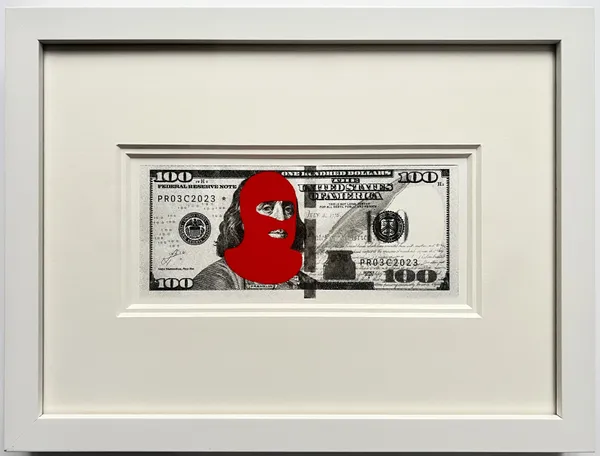
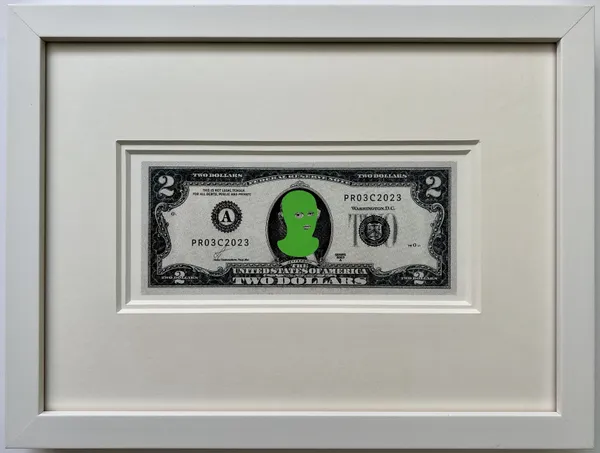
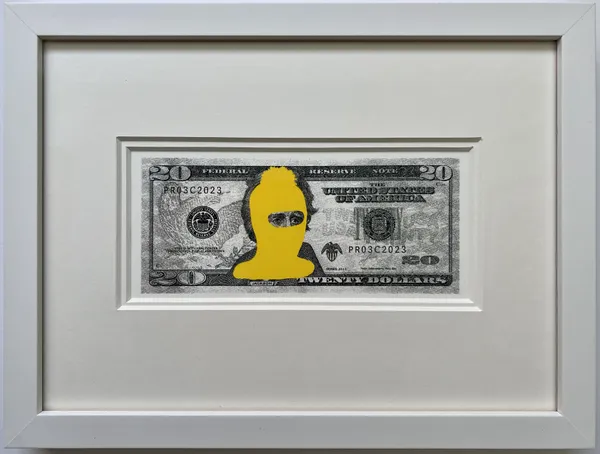
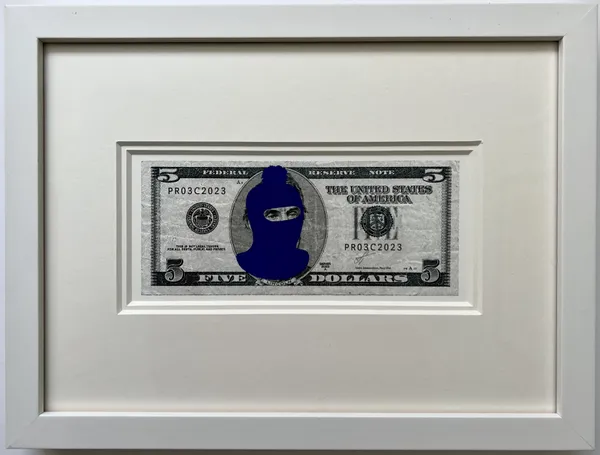
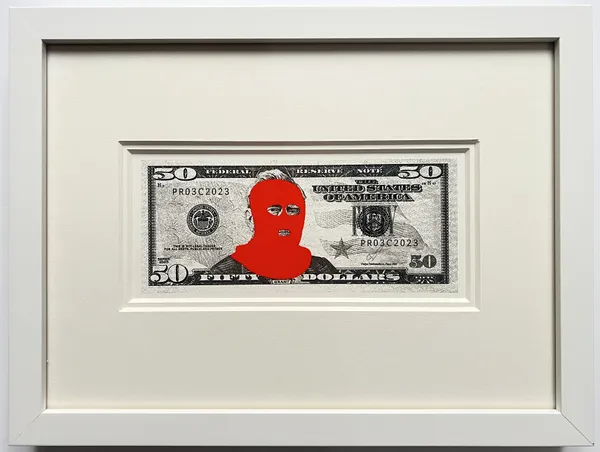
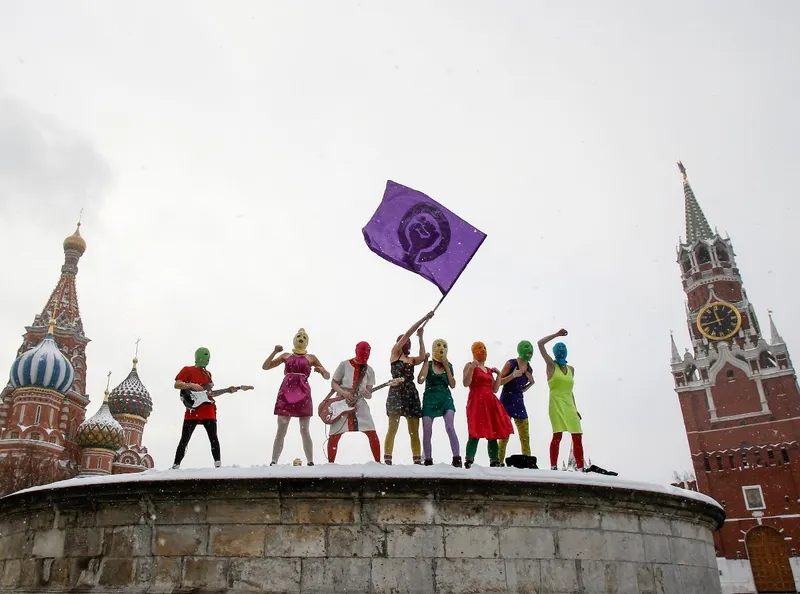
Pussy Riot is a feminist protest and performance art collective whose work operates at the intersection of political dissent, punk music, and time-based visual media, transforming public space into a dynamic stage for resistance. Their actions, including guerrilla performances, videos, installations, and more recently, NFTs and filmic works, employ a raw, DIY aesthetic that demonstrates a deliberate understanding of image, costume, and choreography as instruments of agitation. Balaclavas in vivid colors, lo-fi sound, and fragmented camera work form a gestural vocabulary of defiance, intended to provoke, implicate, and mobilize rather than comfort. Through these practices, Pussy Riot challenges conventional boundaries between art object and political act, asserting the inseparability of form and activism.
Founded in 2011 in Moscow, Russia, Pussy Riot originated from the context of Moscow Actionism and the anarchist art collective Voina. Founding members, including Nadya Tolokonnikova and Yekaterina Samutsevich, developed a direct language of public intervention. Tolokonnikova, who studied at Moscow State University, contributed expertise in philosophy and conceptual art to the group’s evolving disruptive strategies. Early actions, performed anonymously by a rotating group of young women, took place in streets, metro stations, and churches, establishing an urgent art practice under Vladimir Putin’s increasingly authoritarian regime. The 2012 “Punk Prayer” at Moscow’s Cathedral of Christ the Saviour, followed by the imprisonment of members such as Tolokonnikova and Maria Alyokhina, represented a critical juncture, solidifying their integration of personal risk, performance, and global media awareness. Subsequent experiences of incarceration, exile, and international solidarity have broadened their practice to include writing, music, and large-scale installations, while maintaining a central commitment to feminist, queer, and anti-totalitarian activism.
In contemporary art history, Pussy Riot holds a significant place within the tradition of performance and protest art, tracing a lineage from Dada and Situationism to the radical interventions of artists such as Joseph Beuys, the Guerrilla Girls, and Moscow Conceptualists. Their work intensifies the methods of post-Soviet actionism, positioning the state—its courts, prisons, and propaganda—as an unwitting participant and material for their dissensual aesthetics. International exhibitions, including Velvet Terrorism: Pussy Riot’s Russia and displays at institutions such as the Saatchi Gallery, have established their reputation as a defining artistic voice of the Putin era. Recognition through awards such as the LennonOno Grant for Peace and the Woody Guthrie Prize further underscores the cultural impact of their practice.
Amid intensifying global debates on feminism, censorship, and authoritarianism, Pussy Riot’s work persists as a compelling example of how contemporary art can occupy the precarious space between poetic imagery and tangible political effect.